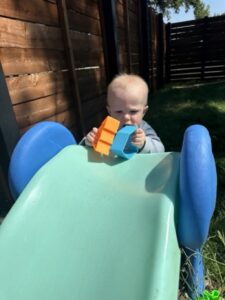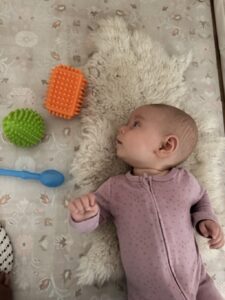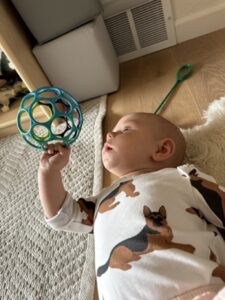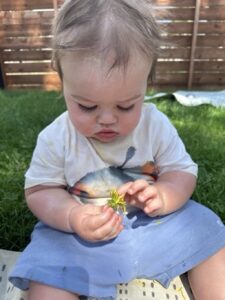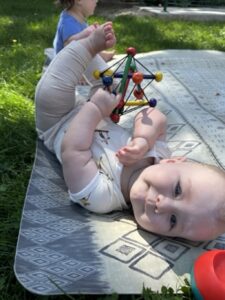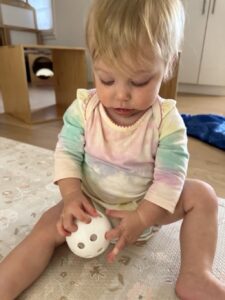
As the school year began, the Infant Room teaching team observed a strong focus on building authentic connections. Infants are natural experts in this process. The children use what is known as funds of knowledge – what people draw on to incorporate historical and cultural beliefs into new understandings that emerge through continued experiences. This process is essential in shaping self-expression, self-definition, and self-understanding.
In other words, humans develop a sense of self in relation to others and the context in which those relationships form. In an infant’s world, “others” extend beyond peers to include teachers, caregivers, adult community members, pets, extended family, the natural world, the classroom environment, and the materials within it.
This ongoing documentation will follow the journey of building authentic connections—to self, to the classroom community, and to the environment—throughout the year.
Authentic Connection to Self
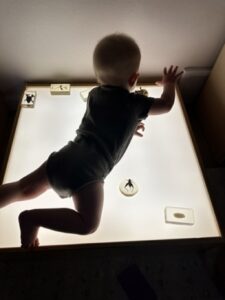
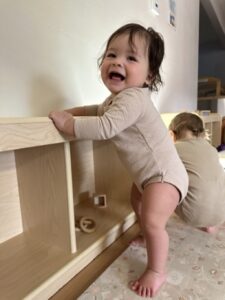
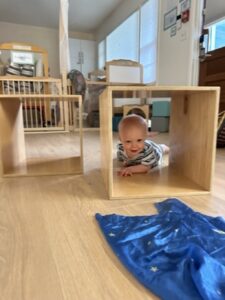
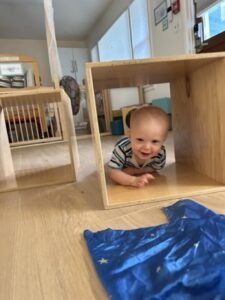
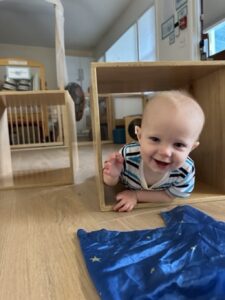
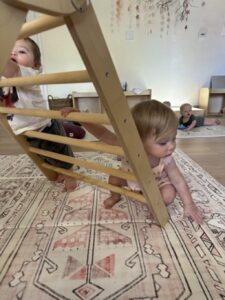
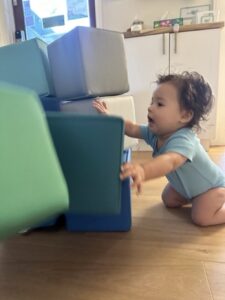
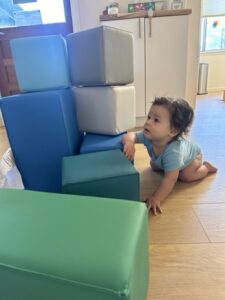
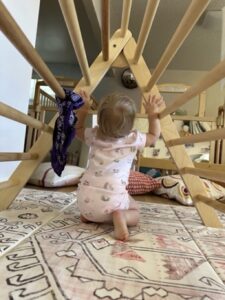
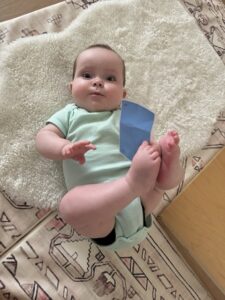
One of the earliest ways children connect with themselves is through movement. In the Infant Room, we observe the natural unfolding of gross motor development, as infants explore their bodies with curiosity and determination.
Through movements like pulling to stand, army crawling, climbing, grasping, rolling, bouncing, stretching, waving, scooting, rocking, kicking, and a combination of movements, children experience self-expression and self-determination. These movements support vestibular and proprioceptive development, helping infants understand where their bodies are in space and shaping their sense of self in an intrinsic way.
Authentic Connection to Others
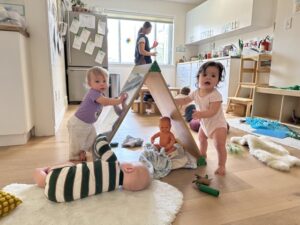
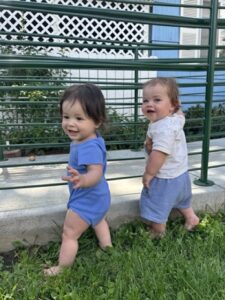
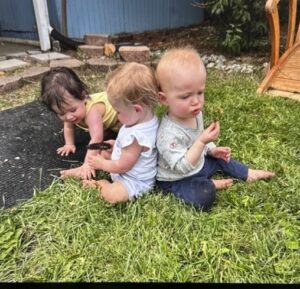
For infants, connection to others begins through caregiving moments. They learn from caregivers’ facial expressions, body language, and nearness, finding comfort and joy in these interactions. As their awareness grows, they begin to notice and engage with their peers, laying the foundation for mutual trust, respect, empathy, and secure attachments—essential building blocks for lifelong relationships.

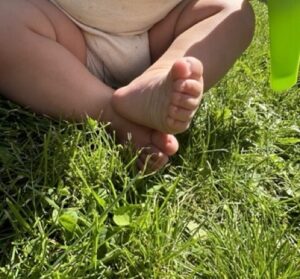
Authentic Connection to the Environment & Natural World
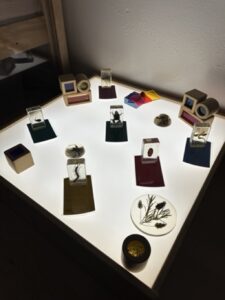
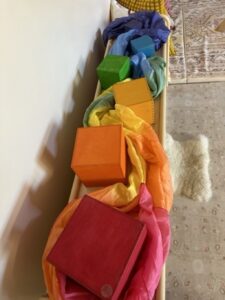
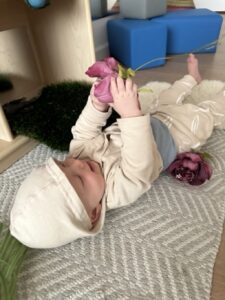
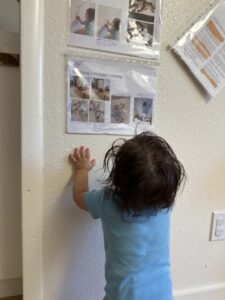
Infants also form connections with their environment and the natural world through sensory experiences, movement, and exploration. The textures of natural materials, the rhythm of daily routines, and the outdoor world all become part of their understanding of place and belonging. Through these interactions, they develop a deep-rooted relationship with their surroundings that supports curiosity, security, and wonder.
This year, we will continue to observe and document the unfolding of these meaningful connections—celebrating the ways infants build relationships with themselves, others, and the world around them.