Summary
In our toddler classroom, observation and documentation aren’t just about keeping track, they are an integrated part of our teaching. Pedagogical observation means looking closely at how children play, interact, and explore, so we can understand what they're learning and how to support it. Documentation helps us capture those moments, reflect on them, and plan more meaningful experiences. This approach helps us to follow their lead and make their thinking visible, even before they have all the words to express it.
What Is Pedagogical Documentation and Observation?
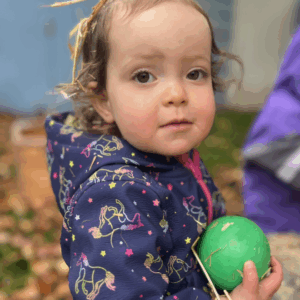
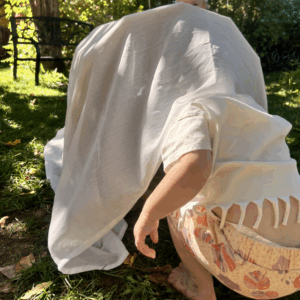
Documentation is how we make the children’s learning visible. It’s not just about taking pictures or writing notes, it’s about capturing the moments where thinking, curiosity, and wonder come to life, so we can better understand and support each child’s journey.
 .
.  .
. 
Observation as a Window into Learning
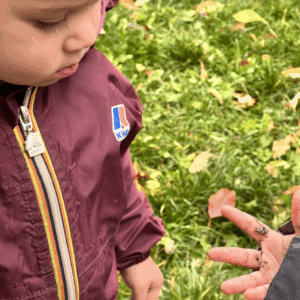
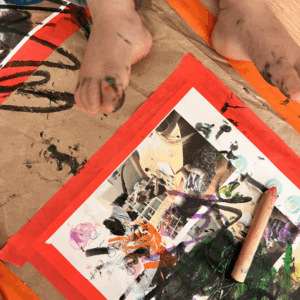
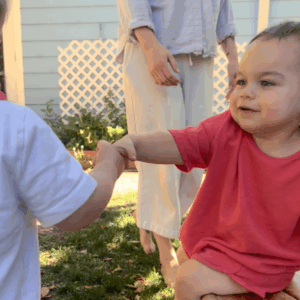
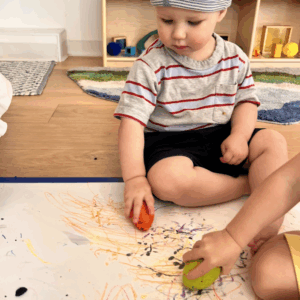
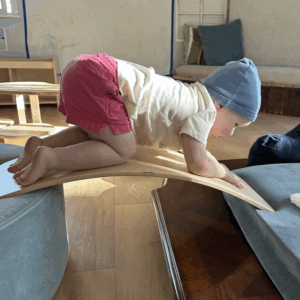
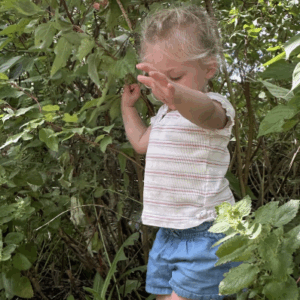
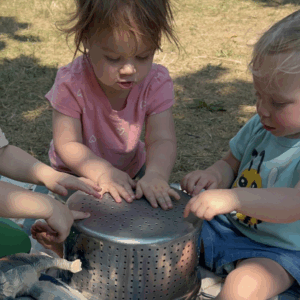
We spend a lot of time just watching. How the children explore, how they solve problems, and how they connect with others help us to see what matters to them, and guide us in creating experiences that build on their natural curiosity.
 .
.  .
. 
Listening Through Documentation
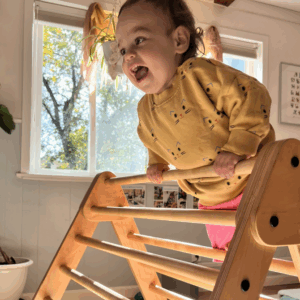
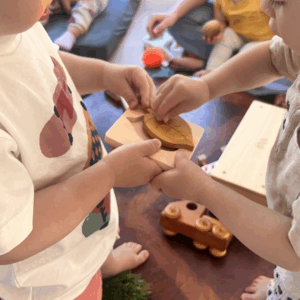
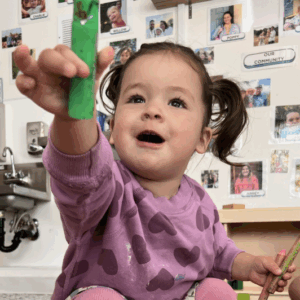
Sometimes the children’s thoughts come through in a mark made, a gesture, or a simple phrase. By documenting these moments, we’re learning to listen more deeply; not just with our ears, but with our eyes and hearts. It helps us slow down and really see who they are becoming, and to share that joyfully with families.
 .
.  .
. 
Co-Constructing Curriculum
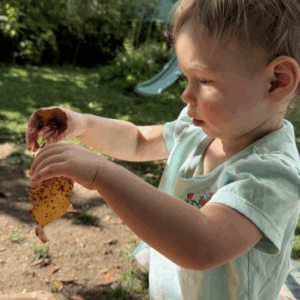
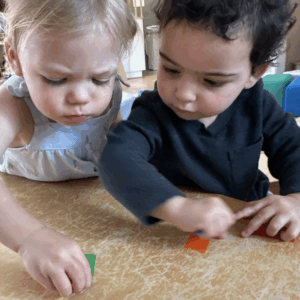
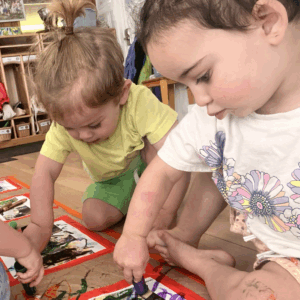
We don’t follow a set curriculum, we build it together with the children. Observation and documentation help us notice what they’re wondering about, and from there, we plan experiences that grow from their ideas and interests. It’s learning that starts with them.
 .
.  .
. 
Making Thinking Visible
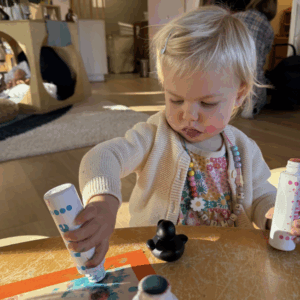
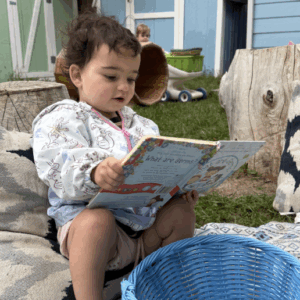
When you see your child’s photos, artwork, or quotes displayed in our classroom, it’s not just decoration, it’s a story of their learning. We want families to be part of that story too, to see the thinking behind the doing, and to celebrate how capable your children truly are.
 .
.  .
. 
A Tool for Reflection and Growth
We reflect on what we see and hear, and it shapes how we respond as educators. Over time, it also shows us the growth, joy, and resilience in every single student’s unique path.
 .
.  .
.